
Table of Contents
Introduction
Modern life makes staying healthy surprisingly difficult. Long working hours, screen-heavy lifestyles, processed foods, and limited physical movement create the perfect environment for fatigue, weight gain, and declining fitness.
The problem isn’t that people don’t care about their health. The real problem is fitness often feels complicated, expensive, and time-consuming.
Many people assume they must follow strict workout routines or spend hours in the gym to stay fit. But research in exercise science shows a different reality: daily lifestyle habits play a bigger role in long-term fitness than occasional intense workouts.
Small actions—walking more, stretching regularly, eating balanced meals, and improving sleep—can dramatically improve health over time.
This guide explains easy fitness tips you can integrate into daily life, even with a busy schedule.
We regularly update tips on our website Search Trim. Please keep supporting us. Thank you.
Why Daily Fitness Habits Matter
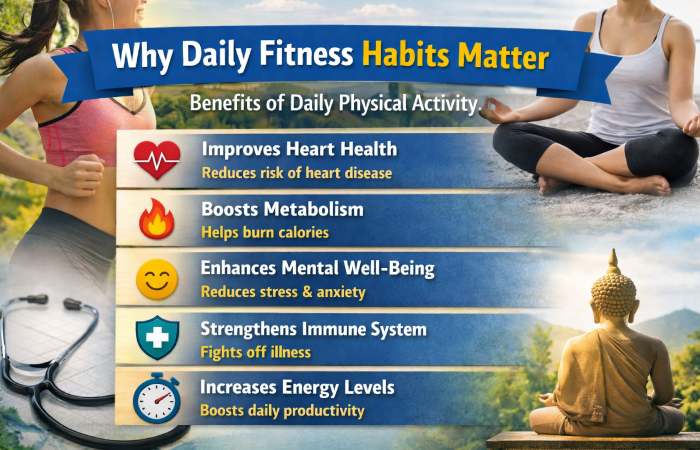
Fitness is not just about appearance. It directly affects energy levels, mental health, disease prevention, and longevity.
According to global health research, regular physical activity significantly reduces risks of heart disease, diabetes, obesity, and depression.
Key Benefits of Daily Fitness
| Benefit | How It Helps |
| Improved cardiovascular health | Strengthens heart and circulation |
| Better metabolism | Helps burn calories efficiently |
| Increased energy | Reduces fatigue and boosts productivity |
| Mental wellness | Reduces stress and anxiety |
| Stronger muscles and joints | Prevents injuries and improves mobility |
Even moderate physical activity can lead to noticeable improvements.
Easy Fitness Tips of Our Daily Life
Below are practical, science-backed habits that help maintain fitness naturally.
Start Your Day With Stretching
Morning stretching prepares your body for movement and reduces stiffness caused by sleep.
Benefits include improved flexibility, circulation, and posture.
Simple Morning Stretch Routine
| Exercise | Duration | Benefit |
| Neck rotations | 30 seconds | Relieves tension |
| Shoulder rolls | 30 seconds | Improves mobility |
| Standing side stretch | 30 seconds | Activates core |
| Toe touches | 30 seconds | Stretches hamstrings |
A 5-minute stretch routine can significantly improve daily mobility.
Walk More Throughout the Day
Walking is one of the easiest and most effective exercises.
Health experts often recommend 7,000–10,000 steps daily for maintaining fitness.
Easy Ways to Increase Steps
| Habit | Impact |
| Take stairs instead of elevators | Burns extra calories |
| Walk during phone calls | Adds movement to work hours |
| Park farther away | Encourages walking |
| Short evening walks | Improves digestion |
Walking also helps improve mood and reduce stress.
Stay Hydrated
Water is essential for maintaining energy, digestion, and metabolism.
Dehydration can cause fatigue, headaches, and poor concentration.
Daily Hydration Guidelines
| Activity Level | Recommended Water Intake |
| Low activity | 2–2.5 liters |
| Moderate activity | 2.5–3 liters |
| High activity | 3–4 liters |
Tip: Start the day with one glass of water immediately after waking up.
Eat Balanced Meals
Nutrition is the foundation of fitness.
A balanced diet provides the nutrients needed for energy, muscle repair, and overall health.
Components of a Balanced Meal
| Nutrient | Examples | Role |
| Protein | Eggs, fish, beans | Builds muscles |
| Carbohydrates | Rice, oats, fruits | Provides energy |
| Healthy fats | Nuts, olive oil | Supports hormones |
| Fiber | Vegetables, whole grains | Improves digestion |
Avoid extreme diets—consistency matters more than restriction.
Practice Short Home Workouts
You don’t need a gym to stay active. Bodyweight exercises are simple and effective.
Quick 10-Minute Workout
| Exercise | Reps |
| Squats | 15 |
| Push-ups | 10 |
| Lunges | 10 each leg |
| Plank | 30 seconds |
| Jumping jacks | 20 |
Doing this routine 3–4 times per week improves strength and stamina.
Maintain Good Posture
Poor posture from long sitting hours can cause back pain and muscle imbalance.
Posture Improvement Tips
| Tip | Benefit |
| Sit upright with shoulders relaxed | Reduces back strain |
| Keep screen at eye level | Prevents neck pain |
| Take posture breaks every hour | Improves circulation |
Good posture also improves breathing and confidence.
Get Enough Sleep
Sleep is often overlooked in fitness routines.
During sleep, the body repairs muscles, balances hormones, and restores energy.
Recommended Sleep Duration
| Age Group | Sleep Hours |
| Teenagers | 8–10 hours |
| Adults | 7–9 hours |
| Older adults | 7–8 hours |
Poor sleep can lead to weight gain, low energy, and reduced focus.
Reduce Screen Time
Extended screen use often leads to inactivity and eye strain.
Simple Solutions
| Strategy | Result |
| Follow the 20-20-20 rule | Protects eye health |
| Take 5-minute breaks hourly | Encourages movement |
| Limit social media before bed | Improves sleep quality |
Reducing screen time helps maintain mental and physical health.
Practice Mindful Breathing
Fitness includes mental well-being. Deep breathing improves oxygen flow and reduces stress.
Simple Breathing Exercise
- Sit comfortably.
- Inhale slowly through your nose.
- Hold for 3 seconds.
- Exhale slowly.
Practicing for 5 minutes daily can reduce stress significantly.
Stay Consistent
Consistency matters more than intensity. Small daily actions lead to long-term health improvements.
Building a Consistent Fitness Routine
| Strategy | Why It Works |
| Set small goals | Prevents overwhelm |
| Track progress | Builds motivation |
| Exercise with friends | Increases accountability |
| Schedule workouts | Creates routine |
Fitness becomes easier when it becomes part of daily life.
Common Fitness Mistakes to Avoid
Many beginners quit fitness because they follow unrealistic routines.
Typical Mistakes
| Mistake | Why It Fails |
| Extreme diets | Hard to sustain |
| Overtraining | Causes burnout |
| Skipping rest | Increases injury risk |
| Expecting quick results | Leads to frustration |
Sustainable habits are more effective than short-term efforts.
Daily Fitness Routine Example
Here is a simple daily structure anyone can follow.
| Time | Activity |
| Morning | Stretching and hydration |
| Midday | Walk or light movement |
| Afternoon | Balanced meal |
| Evening | Short workout or walk |
| Night | Relaxation and quality sleep |
This routine keeps the body active throughout the day.
Final Thoughts
Fitness does not require complicated routines or expensive gym memberships. The most effective approach is building simple habits into daily life—walking more, eating balanced meals, staying hydrated, stretching, and maintaining good sleep.
These small actions create powerful long-term benefits for physical and mental health. When practiced consistently, easy daily fitness habits become the foundation of a healthier lifestyle.
