
The best living room designs are not trend-driven—they are built on intentional layout strategy, emotional function, and layered design systems that transform any space into a cohesive, high-impact environment.
If you are searching for the best ideas and designs for living room, here is the direct answer: start with layout and purpose, define a clear focal point, build a balanced color and material system, and only then choose furniture and decor. Most rooms fail because people reverse this order.
The problem is not a lack of inspiration. It is unstructured decision-making. Social media shows thousands of beautiful living rooms, but it does not show the hidden planning behind them. Without that structure, you end up with a room that looks expensive but feels uncomfortable.
This guide is for beginners designing or upgrading their living room, homeowners who want clarity before spending, and intermediate design enthusiasts who want a more strategic framework. It is not a technical architectural manual—but it will give you professional-level thinking.
We regularly update tips on our website Search Trim. Please keep supporting us. Thank you.
Table of Contents
The Living Room Design Hierarchy
Design works best when you follow a clear order:
Function → Layout → Focal Point → Color → Materials → Lighting → Styling
Skipping steps creates imbalance.
Step 1: Define the Primary Function
Before choosing sofas or colors, answer this:
What happens in this room most of the time?
| Primary Use | Layout Priority | Seating Type | Lighting Focus |
| TV & Movies | Screen visibility | Sectional / recliners | Soft indirect |
| Conversation | Face-to-face seating | Sofa + 2 chairs | Layered warm |
| Family Relaxation | Flexible seating | Deep sofa + poufs | Ambient |
| Work Hybrid | Desk integration | Compact modular | Task + ambient |
| Formal Hosting | Symmetry | Structured sofas | Statement fixture |
If your room serves multiple functions, choose one dominant purpose and let the secondary function adapt.
Illustrative Example:
A 14×16 ft room used daily for TV and weekly for guests should prioritize TV layout but include movable chairs to convert to conversation mode.
Step 2: Layout Engineering & Circulation Rules
Layout is the difference between a “pretty” room and a comfortable one.
Core Spacing Guidelines
| Element | Recommended Range | Why It Matters |
| Walkways | 24–30 inches | Prevents crowding |
| Sofa to coffee table | 14–18 inches | Comfortable reach |
| Chair to chair | 30–42 inches | Easy conversation |
| TV distance | 1.5–2.5× screen diagonal | Reduces eye strain |
These proportions align with widely accepted interior planning principles used by professional organizations like the American Society of Interior Designers (ASID).
Rug Sizing Formula Most Overlooked Rule
| Room Size | Ideal Rug Size | Minimum Rule |
| Small (under 12 ft width) | 6×9 ft | Front legs on rug |
| Medium (12–16 ft width) | 8×10 ft | All seating anchored |
| Large (16+ ft width) | 9×12 ft or larger | Full seating zone |
A small rug visually shrinks the room. Larger rugs create cohesion.
Focal Point Engineering
Every living room needs visual hierarchy.
Without a focal point, your eyes move aimlessly and the room feels chaotic.
Types of Focal Points
| Type | Examples | Best For |
| Architectural | Fireplace, large window | Traditional homes |
| Media | TV wall, projector | Modern living |
| Decorative | Oversized art, gallery wall | Contemporary |
| Lighting | Chandelier, pendant | Luxury spaces |
Rule: One dominant focal point. Secondary elements should support it—not compete.
Structured Style Ideas That Actually Work
Modern Minimal Living Room
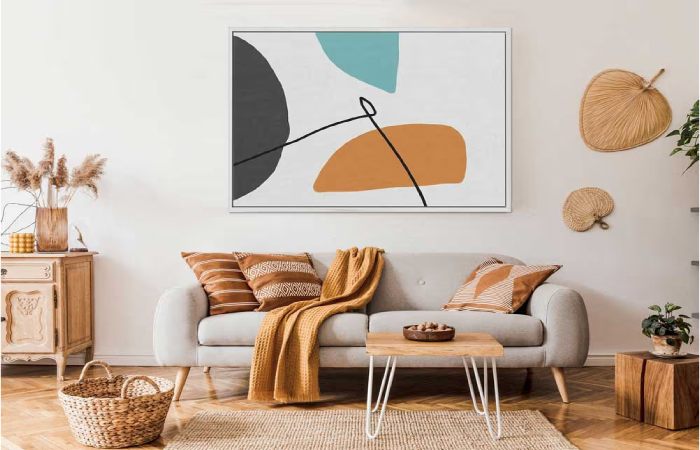
Modern minimal design focuses on clarity and proportion.
| Element | Typical Choice | Risk |
| Color | Beige, warm white | Too sterile |
| Sofa | Low-profile | Comfort trade-off |
| Materials | Oak, linen | Needs texture layering |
| Decor | Minimal art | Can feel empty |
Best for apartments and urban homes.
Cozy & Warm Living Room
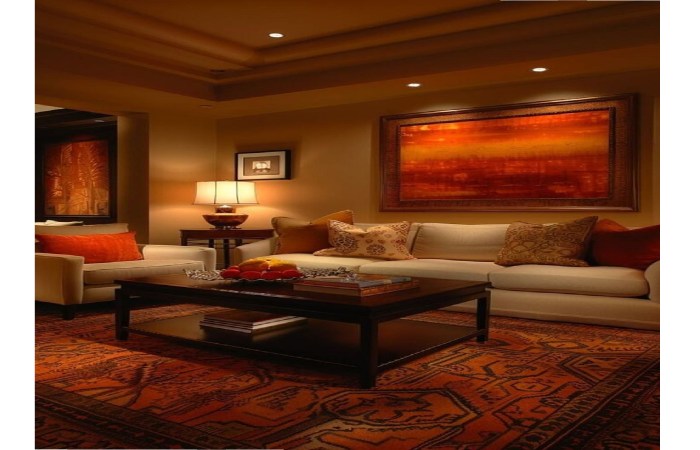
Cozy design prioritizes emotional comfort.
| Element | Strategy |
| Lighting | 2700K warm bulbs |
| Textiles | Throws, layered rugs |
| Palette | Earth tones |
| Shapes | Rounded furniture |
Research in environmental psychology suggests warm lighting enhances perceived comfort.
Luxury Living Room Design
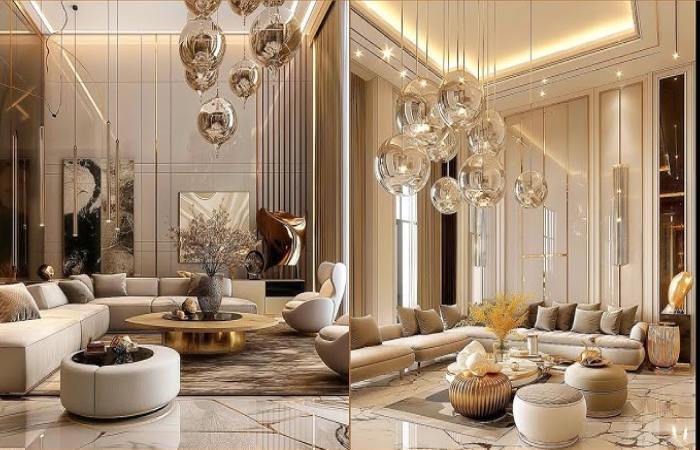
Luxury is about scale and material quality.
| Feature | Why It Works |
| Statement lighting | Visual anchor |
| Large art | Elevates scale |
| Velvet/leather | Rich texture |
| Marble/stone | Weight and permanence |
Avoid clutter. Luxury requires restraint.
Small Living Room Optimization
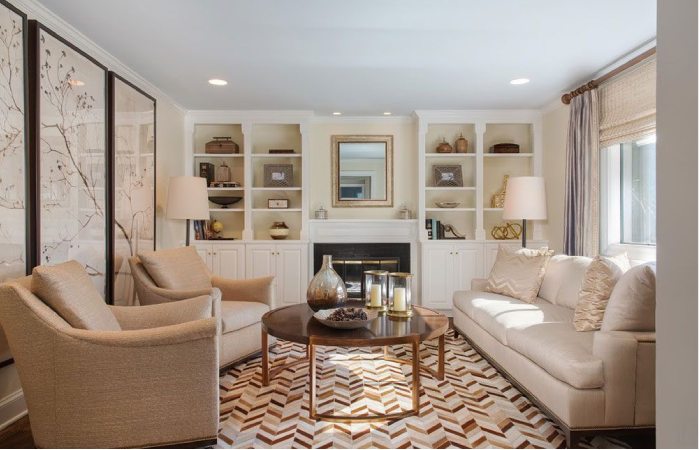
Small rooms demand discipline.
| Strategy | Impact |
| Light palette | Expands perception |
| Wall-mounted storage | Frees floor |
| Multipurpose furniture | Reduces clutter |
| Mirrors | Amplifies light |
Color & Material Intelligence
The 60–30–10 Rule
| Percentage | Use |
| 60% | Base walls |
| 30% | Furniture |
| 10% | Accent decor |
This proportion creates balance.
Texture Layering System
Combine three layers:
| Category | Examples |
| Soft | Fabric, rugs |
| Structured | Wood, stone |
| Reflective | Metal, glass |
Example: Linen sofa + wood coffee table + brass lamp.
Budget Strategy Framework
Spending more does not guarantee better results. Spending strategically does.
Where to Invest vs Save
| Invest In | Reason | Save On |
| Sofa | Daily use | Small decor |
| Rug | Defines zone | Trend items |
| Lighting | Mood control | Side tables |
Budget Tiers
| Tier | Approx Range (USD) | What You Get |
| Refresh | $500–$2,000 | Paint, decor updates |
| Mid-Range | $2,000–$8,000 | New sofa + rug + lighting |
| Premium | $8,000–$25,000+ | Custom cabinetry, luxury materials |
Professional Interior Design Services
If you prefer expert help, here are leading global services.
Havenly
| Feature | Details |
| Type | Online interior design |
| Pricing | ~$99–$299 per room |
| Countries | US, Canada |
| Reviews | Popular for affordability & convenience |
| Best For | Budget-conscious homeowners |
Decorilla
| Feature | Details |
| Type | Hybrid online design |
| Pricing | ~$549–$1,849 per room |
| Countries | US (remote globally) |
| Reviews | Strong 3D render support |
| Best For | Mid-range projects |
IKEA Planning Services
| Feature | Details |
| Type | In-store & virtual planning |
| Pricing | Often free with purchase |
| Countries | US, UK, India, EU |
| Reviews | Practical & budget-friendly |
| Best For | Functional layouts |
Livspace
| Feature | Details |
| Type | Full home interiors |
| Pricing | ₹2.5 lakh+ (varies by scope) |
| Countries | India |
| Reviews | End-to-end execution |
| Best For | Turnkey projects |
Country-Wise Cost
| Country | Entry-Level Redesign | Mid-Range | Premium |
| United States | $1,000 | $5,000–$15,000 | $25,000+ |
| United Kingdom | £800 | £4,000–£12,000 | £20,000+ |
| India | ₹80,000 | ₹3–8 lakh | ₹15 lakh+ |
| Australia | AUD 1,500 | AUD 6,000–20,000 | AUD 30,000+ |
Costs depend heavily on materials and labor rates.
2026 Living Room Trends
| Trend | Longevity | Risk Level |
| Japandi | High | Low |
| Biophilic | High | Low |
| Curved sofas | Medium | Medium |
| Statement ceilings | Medium | Medium |
| Bold color blocking | Low-Medium | Higher |
Choose trends that align with your core structure.
Most Common Living Room Mistakes
| Mistake | Fix |
| Rug too small | Upgrade size |
| Single ceiling light | Add floor lamps |
| Matching furniture sets | Mix materials |
| Too many small items | Use fewer large items |
| Ignoring vertical space | Add art or shelves |
Conclusion
The best ideas and designs for living room are not about copying luxury homes or chasing viral trends. They come from clarity of purpose, a well-planned layout, balanced materials, and a focus on emotional comfort. When you approach your space strategically—thinking about how it functions before how it looks—you naturally create a room that feels cohesive, inviting, and timeless.
